

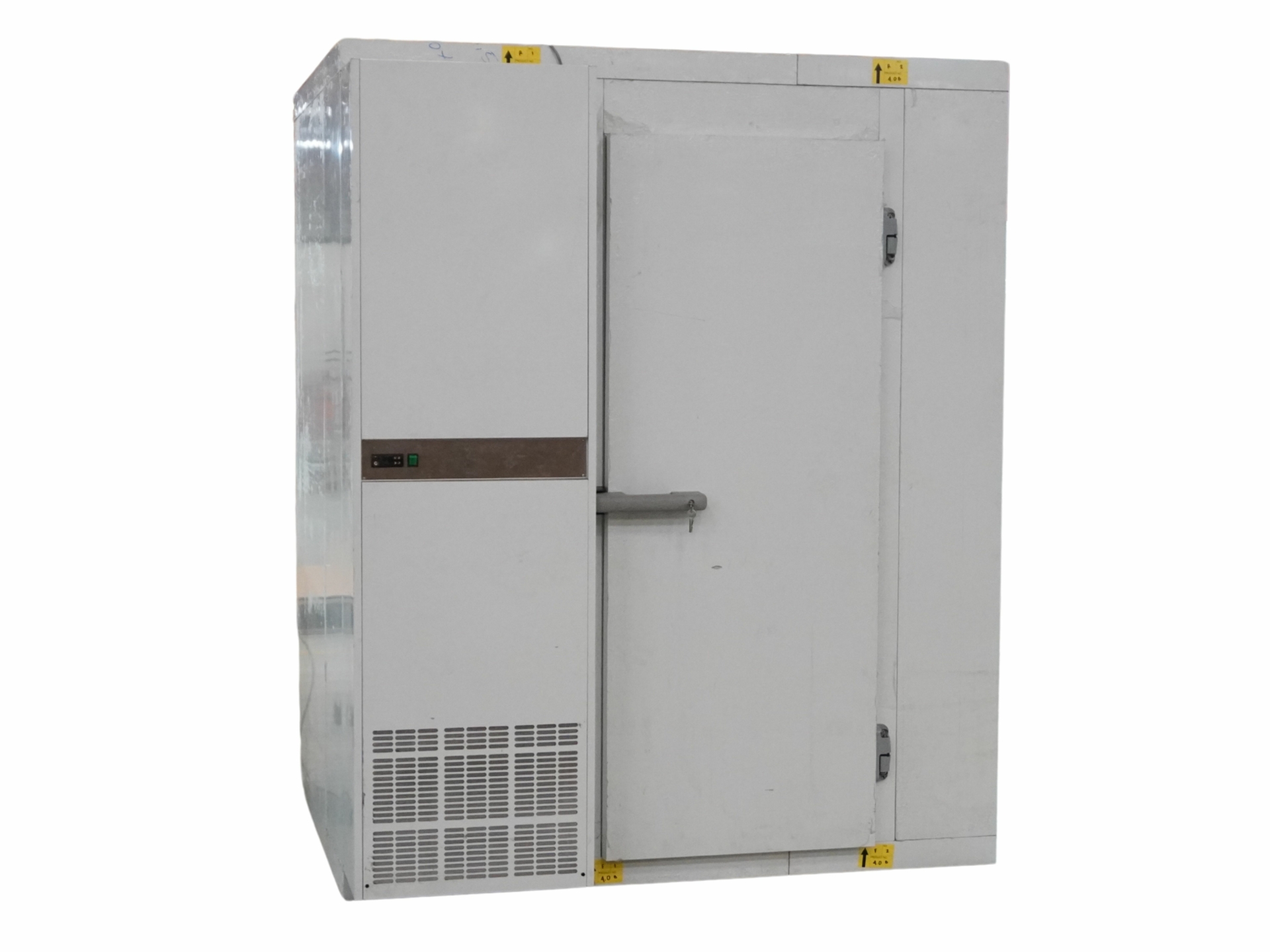
As commercial refrigeration systems become increasingly central to the success of the modern food industry, investing in the right cold storage infrastructure is paramount. For hotel owners, restaurant operators, food factories, and cold chain businesses, a cold room is not just a storage unit; it is the heart of inventory management and food safety.
This comprehensive, technical, yet accessible guide provides an expert overview of commercial cold room technology, utilizing the Nayati NCR Cold Room data sheet (dated 28/07/2020) as our primary case study. Engineered by PT. Nayati Indonesia, a prominent name in Total Food Service Solutions, the NCR model exemplifies modern commercial refrigeration standards.
- What is a Commercial Cold Room?
A commercial cold room (often referred to as a walk-in cooler or walk-in freezer) is a specialized, insulated facility designed to maintain specific temperature requirements for the storage of perishable goods. Unlike standard commercial refrigerators, cold rooms are built using modular panels that can be customized to fit the exact dimensions of a commercial space.
Key Concepts:
- Chiller/Fridge: Maintains temperatures slightly above or just below freezing, typically for fresh produce, dairy, and short-term meat storage.
- Freezer: Maintains deep-freeze temperatures to preserve food for extended periods.
- Thermal Envelope: The insulated structure (walls, floor, ceiling) that prevents heat transfer from the outside environment into the cold space.
- Key Specifications of the Nayati NCR Cold Room
Drawing on the technical data provided, the Nayati NCR Cold Room is built to rigorous industry standards. Below is an expert breakdown of its core engineering features.
Temperature Capabilities and Environmental Tolerance
The thermal performance of a cold room dictates its versatility. The Nayati NCR panels are engineered with a broad operating temperature tolerance ranging from -50°C to 60°C.
However, for active refrigeration, the system is designed to operate in two primary modes:
- Chiller Configuration: Operating temperatures from -2°C to -5°C.
- Freezer Configuration: Operating temperatures from -18°C to -20°C.
Advanced Insulation Technologies
Insulation is the most critical factor in energy efficiency. The NCR utilizes polyurethane insulation with a high density of 40 kg per cubic meter.
- Eco-Friendly Profile: The polyurethane used is strictly Non-CFC and Non-HCFC.
- Environmental Impact: It features a low Ozone Depletion Potential (ODP) and a low Global Warming Potential (GWP), aligning with modern environmental regulations.
- Panel Thickness: To accommodate different thermal requirements (e.g., deep freeze vs. mild chill), panel thickness options range from 80 mm up to 180 mm (with descriptions highlighting ranges from 80 mm to 150 mm).
Structural Engineering and Construction
The structural integrity of the cold room relies on its assembly method and surface materials.
- The Camlock System: The NCR panels are seamlessly connected using a highly practical Camlock connection system. This involves female and male interlocking mechanisms embedded within the panels, ensuring an airtight seal that prevents thermal bridging.
- Modularity: Panel lengths can reach up to 6 meters, allowing for highly customized sizing tailored to specific facility footprints.
- Material Selection: Panel Surface Options
When designing a cold room, the surface material determines durability, hygiene, and maintenance requirements. The Nayati NCR offers three premium panel cover options:
| Material Option | Thickness | Best Used For | Industry Application |
| Stainless Steel 304 | 0.5 mm | High-moisture environments; strict hygiene zones. | Premium restaurants, medical cold chain, high-end hotel kitchens. |
| Polyester Colorbond | 0.5 mm | Cost-effective, general dry/cold storage. | Supermarkets, standard food factories, bulk storage. |
| Embossed Aluminum | 0.6 mm | Anti-slip applications (floors), rust resistance. | Heavy foot-traffic areas, heavy cart loading zones. |
- Doors and Access Management
Proper door configuration is vital for minimizing temperature loss during loading and unloading operations.
Standard Door Configurations
The NCR cold room comes standard with hinged doors featuring the following dimensions:
- Single Leaf: 900 mm x 2000 mm.
- Double Leaf: 1800 mm x 2000 mm.
Optional Upgrades for High-Traffic Facilities
For facilities with specific operational workflows, standard doors can be replaced or upgraded with optional accessories:
- Sliding Doors: Available in widths from 900 mm to 2200 mm and heights from 1900 mm to 3000 mm. These are ideal for tight corridors where hinged doors would obstruct pathways.
- Heated Frames: A heated frame around the doors prevents the door seals from freezing shut in sub-zero applications (-18°C to -20°C).
- Plastic Strip Curtains: These minimize ambient air infiltration when the main door is open, significantly reducing energy waste.
- Electrical and Refrigeration Data
Understanding the electrical infrastructure required is essential for facility planning.
- Electrical Supply: The system requires a standard 230V, 1NPE AC/50-60 Hz voltage supply.
- Refrigerant: Electric.
- Control Type: Features a temperature control and configuration interface.
(Note: Specific energy consumption, running currents, and volume metrics vary based on the customized build and are marked as variable/N/A in the base specification sheet ).
- Crucial Optional Accessories for Industrial Safety
Beyond the standard build, cold rooms operating at sub-zero temperatures require specific safety and maintenance accessories.
- Floor Heaters: Essential for deep-freeze rooms built directly on concrete foundations. Floor heaters prevent the ground beneath the cold room from freezing, expanding, and causing structural frost heave (cracking the concrete).
- Ventilator Port / Pressure Equalizer: As air cools rapidly inside a sealed freezer, it contracts, creating a vacuum. A pressure equalizer safely vents this pressure difference, preventing the walls from imploding or the doors from becoming impossibly hard to open.
- Practical Applications & Industry Standards
For Hotel and Restaurant Operators
Hotels and restaurants require a mix of chiller and freezer spaces. The use of 0.5 mm Stainless Steel 304 is highly recommended here, as it resists corrosion from acidic food spills and withstands harsh chemical cleaning, meeting strict health department standards. The standard single-leaf hinge door (900 mm x 2000 mm) provides ample room for rolling standard sheet-pan racks.
For Food Factories and Cold Chain Businesses
Industrial facilities benefit heavily from the Camlock connection system, allowing for rapid deployment and future expansion. High-traffic warehouses should opt for Sliding doors (up to 2200 mm wide) to accommodate forklifts and large pallet jacks. Furthermore, the implementation of Plastic Strip Curtains is an industry standard in these environments to maintain the cold chain during frequent loading operations.
Executive Summary
The Nayati NCR Cold Room represents a high-tier, modular refrigeration solution for commercial operators. Engineered by PT. Nayati Indonesia , it leverages high-density (40 kg/m³) non-HCFC polyurethane insulation to deliver optimal thermal efficiency with minimal environmental impact (low ODP and GWP).
Its standout feature is its modularity; with panel lengths up to 6 meters, thicknesses ranging from 80 mm to 180 mm, and a secure Camlock assembly system, the unit can be tailored to any facility. Capable of maintaining chilling temps (-2°C to -5°C) or freezing temps (-18°C to -20°C) , and offering robust surface finishes like 0.5 mm Stainless Steel 304, it provides a highly reliable, hygienic, and safe cold storage environment for hotels, restaurants, and industrial food applications. Utilizing optional safety features like pressure equalizers and floor heaters ensures the long-term structural integrity of both the cold room and the host facility.